10 Most Mysterious Antiquities Ever Found

Ancient discoveries surrounded by mystery capture the public imagination. But while armchair archaeologists are quick to offer solutions, professional sleuths must follow the evidence, not their imagination.

What was Stonehenge for, or how the colossal stones of this ancient monument were moved into place remains unknown. But it’s one of many ancient mysteries still unsolved. Visit https://www.gognasrl.it/antiquariato/acquistiamo-in-tutta-italia/stime-perizie-valutazioni-antiquariato-antichita-a-milano-lombardia/ for more details.

1. Terracotta Army
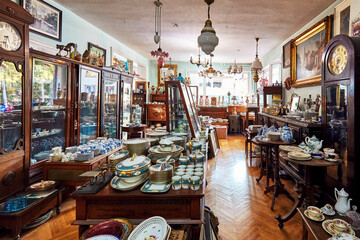
Antiquities

The discovery of the Terracotta Army is one of the most astonishing archeological finds on record. This massive collection of life-sized clay soldiers, horses and chariots was intended to protect the tomb of China’s first emperor.

The figures were buried with Qin Shi Huang in 210 BCE as a form of funerary art. Pit 1 contains armored infantry; Pit 2 has cavalry units and war chariots; and Pit 3 is believed to represent the command post with high-ranking officers.

Each figure is slightly different from the next and was created using molds and early assembly-line techniques. Yet each has distinct features, showing a remarkable level of artistry and craftsmanship. The terra-cotta army is now a major attraction at the Qin Museum in Xi’an, and has traveled to museums around the world. It is one of the most recognizable symbols of Chinese culture worldwide.

2. Dropa Stones

One of the most famous puzzling ancient finds is a collection of stone spheres that dot the landscape in southern Costa Rica. Known as Las Bolas, these perfectly spherical monuments are believed to have been made by Pre-Columbian people.

In 1938 archaeologists exploring caves in the Bayan Kara-Ula mountains that border China and Tibet discovered skeletal remains of four foot tall humanoids with disproportionately large heads. The team also found a number of 12 inch discs etched with inscriptions that became known as the Dropa stones.

The engraved markings on the Dropa stones bear resemblance to Bi discs, ritual jade objects that date back to the Neolithic period and are commonly associated with snake cults. However, there are no records of the Chinese archaeologist and professor who uncovered them, and the story appears to be fabricated from whole cloth.

3. Saqqara Bird

In 1898 archaeologists discovered a small wood carving in Egypt that strangely resembled an airplane or a glider. Since then, experts have been debating its purpose. Mainstream scholars say it was probably a religious icon or figure since it resembles the falcon, which is often used to represent various Egyptian gods. It may also have been a child’s toy, a boomerang or an early weather vane.

But others believe it shows that ancient Egyptians understood the principles of flight centuries before it was known. For example, Egyptian physician, archaeologist, parapsychologist and dowser Khalil Messiha has speculated that the Saqqara Bird was actually a model of an airplane. He even went so far as to test out its flying capabilities by attaching a tail wing stabilizer and by running it through wind tunnels designed to simulate air steams and desert conditions.

4. Antikythera Mechanism

The Antikythera Mechanism is a mysterious machine whose complex gears and dials hint at its use for calculating astronomical data. Discovered in a shipwreck off the coast of Antikythera more than a century ago, the device is considered the world’s first computer—though scholars debate its exact starting date. Some think it began in 205 B.C., while others point to a different date, citing the work of an astronomer named Hipparchus who blended the arithmetic calculations of Babylonia with geometric theories preferred by the Greeks.

At a glance, the flat, misshapen fragments of bronze in the National Archaeological Museum in Athens look like rocks covered in mold. But closer inspection reveals interlocking gears that are so finely carved and precise that they look utterly modern. And inscriptions reveal that the device was meant to predict eclipses and other events.

5. Benin Bronzes

Most archaeologists don’t find themselves stumped by what their finds were created for, but a few items remain mysteries. The Benin Bronzes, a group of metal plaques and sculptures that decorated the Kingdom of Benin in what is now Nigeria, are one such example.

The sculpted plaques, animal and human figures, and other personal ornaments were created by the Edo people between the sixteenth and nineteenth centuries. They were looted in 1897 by British colonial troops during an expedition that brought the Kingdom to an end.

Today, a number of institutions hold pieces from the Benin Bronzes, including the British Museum and Berlin’s Humboldt Forum. Repatriation advocates are pushing for some of the objects to return to Nigeria. But is this a case of righting a wrong? In fact, the ruthless way Britain sought to plunder the Benin kingdom shows why repatriation cannot be used as a form of forgiveness.

6. Nazca Lines

Puzzling ancient finds have a way of capturing the public’s imagination, and sometimes even leave scientists scratching their heads. But some discoveries are so baffling that they defy explanation altogether.

The Nazca Lines are giant geoglyphs etched into the earth’s surface over a 2,000-year span by the pre-Inca Nazca culture in the arid Peruvian coastal plain. The massive shapes range from simple geometric lines to complex depictions of plants, animals and imaginary figures that can only be viewed from the air.

Archaeologists, historians and mathematicians have attempted to solve the mystery of the Nazca Lines, but they remain unconvinced about how the figures were etched or what purpose they served. A theory advanced by researchers Johan Reiche and Robert Kosok suggests that the glyphs were used as an ancient astronomical map, showing where the sun or other celestial bodies rose at certain dates.

7. Dog Cemeteries

In ancient Egypt, it was not uncommon for pets like dogs or cats to be interred with their owners. This tradition continued into the Persian and Greek worlds, and even today it is common to bury domestic pets like cats, dogs, or rabbits alongside their owners in pet cemeteries.

In contrast, cemetery grounds reserved specifically for pets did not become widespread until the late 19th century. Eric visited four different pet cemeteries, documenting gravestones with the same systematic approach archaeologists take when surveying human burial sites.

One such location was Hartsdale, New York. The site was the first to be recognized as a historic place, and it is the world’s oldest and largest pet cemetery. The origins of the Hartsdale pet cemetery remain mysterious, however. Some experts speculate that pet burials may have evolved from ritual sacrifice, or simply as a way to get rid of rotting carcasses.

8. Benin Artifacts

During the sixteenth and seventeenth centuries, brass casters in Benin City created a remarkable series of some 900 rectangular relief plaques to adorn wooden pillars in the court. These works offer an unparalleled visual record of Benin’s history and its court customs.

On an early April morning in 2016, two men walked into Barclays Bank on London’s Park Lane to retrieve a bronze head, possibly depicting a former Benin oba (king). The men recognized it as an object of considerable historical importance, even though it had been stored away for 63 years.

The work is a lost-wax cast using the intricate technique that members of the brass casting guild had mastered for centuries. It was made in the mid-16th century. The British Museum is now attempting to return the object to Nigeria. The request has caused a great deal of controversy and public debate.

9. Antikythera Spheres

Imagine an enormous stone wall stretching for miles, or a set of rocks arranged in a circle. These are the enigmatic traces left by ancient people across the United States—but they’re not nearly as famous as the Great Wall of China or Stonehenge.

In 1900, a shipwreck near the Greek island of Antikythera brought to shore a remarkable artifact. Initially, it befuddled archaeologists—who were unsure what it was or how it worked. Then, advances in technology revealed more and more about this device—which may be the oldest known analogue computer. It had multiple gears and shafts, and it even predicted astronomical events. Experts believe the Antikythera Mechanism was built by a mastermind, someone like a Leonardo DiVinci of their time. But, then it disappeared.

10. Nazca Geoglyphs

The Nazca Lines are a series of geometric lines, animal shapes and other figures that are etched into the Peruvian desert. The longest straight line stretches over nine miles across the plain. The origin of the lines remains mysterious and has inspired conspiracy theorists to propose everything from alien landings to ancient astrology.

Researchers have recently been using drones to discover new glyphs and figure out what they mean. One of the most interesting discoveries was the figure of a whale. The glyph suggests that the whale was an important symbol for the Nazcan people, and it could be associated with water, an important resource in the arid environment.

The glyphs may have also served as navigational tools for the locals, helping them navigate between their farms and villages. They also might have been used to mark religious or ritualistic activities.
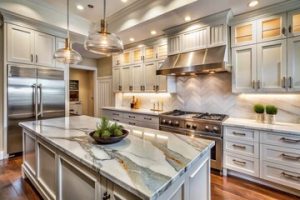
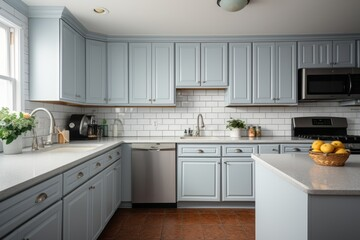
Cabinet Refacing Is a Great Option For Homeowners Looking to Update Their Kitchens With a Stylish Transformation

Cabinet Refacing Sacramento is a great option for homeowners looking to get a fresh new look without the cost of complete replacement. However, it’s important to find a professional service provider for streamlined process that ensures durability and precision.

Cabinet Refacing

Solid wood refacing offers a luxurious, high-quality aesthetic. It also adds value to your home.

Cabinet refacing is an attractive option for homeowners on a budget that want to update their kitchen with a stylish transformation. It is less expensive than a full kitchen remodel and requires far less work to complete. It is also eco-friendly because it reduces waste and uses existing materials. However, it is important to consider the scope of your project and how much it will cost before you begin.

The price of refacing cabinets can vary depending on the size and style of your kitchen, the number of cabinets you are updating, and the quality of your doors and drawer fronts. In addition, the price can be affected by whether you choose wood veneer or a laminate material. To get an accurate estimate, you should first remove the doors and drawer fronts from your cabinets and measure them for accuracy. This will ensure that the new doors and hardware are the correct size. Then, the existing cabinet boxes will need to be cleaned and lightly sanded to prepare them for the new veneer.

The cabinet refacing process is quick and causes minimal disruption to your daily life. It is also less expensive and environmentally friendly than a full replacement, and you can choose from a wide variety of styles and colors for your cabinets. You can even add new cabinet pulls and hardware to complete the look. The final result is a beautiful and updated kitchen that will increase the value of your home. However, if your kitchen is in need of structural repair or a major renovation, cabinet refacing may not be the best solution for your needs.

Time

Refacing cabinet doors provides homeowners with a great way to give their kitchen an immediate facelift. It can also enhance the overall look and feel of the entire space. However, it is important to understand that the process may require significant time commitments. This will depend on the scope of the project and the level of customization required. The longer the project takes, the more expensive it will be.

A good cabinet refacing company will work efficiently to complete the project within a timely manner. They will make every effort to minimize disruptions to the home and family. The first step is to empty out the cabinets and remove the drawers. This is necessary for two reasons: 1) it ensures that the contents of the cabinets are not damaged and 2) it provides an excellent opportunity to do some re-organization and weed out items you no longer use.

Next, the existing elements must be measured. This will provide the measurements needed to order the new materials. Depending on the extent of customization, this step may take a few days to a week. It is important to communicate with the contractor to confirm all details, especially if there are any special requirements or unique design features.

After the cabinet refacing is completed, the final cleanup and inspection will take place. The cabinet refacing company will make sure all debris has been removed and the new surfaces are smooth and even. They will also verify that all the hardware has been replaced and that the new cabinets are functioning properly. If the structural integrity of your cabinets is compromised or they have severe damage, refacing is not a viable option and you will need to replace them.

Environment

Cabinet refacing is a greener alternative to complete cabinet replacement and minimizes the environmental impact of your kitchen remodel. The process saves energy by avoiding the production and transportation of new materials. It also conserves natural resources, such as wood and metal, by reusing existing components. This reduced demand for raw materials contributes to a lower carbon footprint and helps alleviate the negative impacts of climate change.

Refacing also limits the amount of waste that is generated during construction by utilizing existing hardware and cabinet boxes. This eliminates the need for additional materials, such as wood veneers or thermofoils, and cuts down on overall construction waste. This can be a huge benefit for Pennsylvania homeowners who are environmentally conscious.

Thermofoil refacing, in particular, uses an eco-friendly manufacturing process that reduces the amount of water, electricity, and gas needed to produce a solid wood surface. Thermofoil is a durable material that requires little maintenance and can last for decades. Thermofoil is also a sustainable option that does not require trees to be harvested.

A major downside of refacing is that it will not correct structural or design issues with your kitchen’s layout or storage features. This may make it unsuitable for some households. Furthermore, refacing cannot be used on cabinets with water or moisture damage.

Another environmental concern with cabinet refacing is the potential for high VOC (volatile organic compounds) emissions. These pollutants can contaminate the air and cause respiratory problems. Many cabinet refacing options, however, use low-VOC finishes that can help maintain healthy indoor air quality.

Versatility

Cabinet refacing allows homeowners to give their kitchens a fresh look without the time, cost, and disruption of a full remodel. It also eliminates the need for demolition and saves money on labor. Moreover, it is eco-friendly and reduces waste. Professional cabinet refacing teams can help homeowners choose sustainable materials to achieve the desired result. Besides replacing the doors and drawer fronts, they can add convenient storage options like pull-out shelves and a variety of moldings.

A popular option is to use a wood veneer, which is available in a wide range of colors and finishes. Thermofoil is another material that offers a simple facelift to worn cabinets. It is a thin plastic film with a wood grain pattern that’s bonded to the existing cabinet frames and doors. This option is more affordable than painting, but it’s not as durable or stylish.

If you’re considering DIY cabinet refacing, it’s essential to be aware of the potential complications that can arise from inaccurate measurements or poor application techniques. The process requires precise measurement and cleaning to ensure that your new door and drawer fronts fit correctly. Precise measuring is especially important if you plan to install a new backsplash, as well as additional hardware.

While cabinet refacing offers many benefits, it doesn’t address structural issues or major layout changes. It’s not a good option for homeowners who want to reconfigure their space or make significant modifications. However, it’s worth a try for those who want to upgrade their kitchens. It’s also a great choice for those who plan to sell their homes in the near future, as it can increase home value. Adding a new backsplash can also enhance the look of your kitchen.

DIY

Cabinet refacing may seem like a relatively easy, straightforward process to achieve a dramatic aesthetic upgrade, but there are several challenges that can be encountered during the project. One challenge is ensuring that the new cabinet face harmonizes with the overall style of the kitchen or bathroom, as a mismatch can cause the space to feel disjointed and outdated.

Another challenge is ensuring that the cabinet doors and drawer fronts are of high quality. Poor materials or workmanship can lead to unsightly gaps, misalignment and a finish that looks less than stellar over time. Choosing premium veneers and durable finishes prevents future problems, saving money and hassle in the long run.

Lastly, homeowners often underestimate the costs and timelines involved in cabinet refacing, which can lead to unexpected expenses or lengthy project delays. By establishing an accurate budget and schedule, homeowners can avoid these costly issues and have peace of mind knowing that their project is under control.

Despite these potential issues, cabinet refacing offers many benefits that can significantly improve the look of your kitchen or bath at a fraction of the cost of a full replacement. By utilizing premium materials and experienced craftsmanship, the finished product is both beautiful and long-lasting. Moreover, refacing is eco-friendly and reduces waste by reducing the amount of new wood required to replace cabinets. In addition, refacing is a great option for homeowners who are looking to sell their home in the near future, as a refreshed design adds value and appeal. However, refacing is not suitable for every situation, and in some cases, it may be better to invest in complete cabinet replacement. To learn more about the pros and cons of each option, consult with a professional remodeling company.

Cabinet Refinishing and Minimalist Kitchen Design

San Jose Cabinet Refinishing

Using minimalist cabinetry, homeowners can streamline their kitchens to create an open environment that appears calming and efficient. This article will explore cabinet refinishing trends that align with minimalist design and highlight how this style can elevate a kitchen remodel.

Flat-panel doors are an essential component of minimalist designs, offering a sleek appearance that minimizes the visibility of hardware. Handleless cabinets further contribute to this aesthetic by eliminating the need for traditional handles. Visit San Jose Cabinet Refinishing for more information.

Natural Wood and Veneers

Wood and natural elements are essential to many design styles, including minimalist design. While solid-wood cabinetry is often associated with traditional and rustic design, a minimalist approach to interior design can showcase the beauty of these materials in a modern way. For example, white oak veneer offers a beautiful, neutral color palette and distinctive grain pattern that complements minimalist designs. Additionally, a smoked veneer has an earthy aesthetic that adds warmth and texture to a space.

Rather than using solid wood, veneer cabinets feature a thin layer of real hardwood bonded to a core material like plywood or medium-density fiberboard (MDF). These durable materials have been used in residential and commercial construction for decades. This process allows manufacturers to create high-quality, beautiful cabinets at a fraction of the cost of solid wood.

Veneer is also more durable than solid wood and less susceptible to warping or cracking. This makes it an ideal choice for kitchen cabinets, which are subject to moisture and heat. A vapor barrier is also recommended to help keep moisture from damaging the veneer and interior of the cabinet.

The type of veneer you choose will also impact the look of your cabinets. An open pore veneer will have a low-shine finish that shows off the wood’s natural grain, while closed pore veneer has small holes filled in to make it shiny and glossy. You can also select a figured veneer, which features dramatic wood patterns, or a stained veneer that has been colored with water-based stain.

Other features to consider when selecting veneer are the grain direction and layup method. Grain direction refers to the way the natural grain of the wood runs. Horizontal grain offers a clean, linear appearance that is well-suited for minimalist design, while vertical grain creates a more traditional aesthetic. In addition, you can also select a veneer that is embossed or carved to add visual interest.

Other factors to consider when choosing a veneer are the color and finish, thickness, and species. Light stains and finishes are easier to maintain than dark colors, which require more frequent refinishing. Additionally, you can select a natural or prefinished veneer, which will be protected with a UV-protective coating that helps protect the surface from sun damage and keep it looking beautiful for longer.

Flat-Panel Doors

Minimalist cabinetry elevates the aesthetic of modern kitchens by eliminating visual clutter and integrating efficient storage solutions. Whether homeowners choose handleless designs or flat-panel doors, these cabinets can be integrated alongside neutral color palettes and high-quality materials to foster a calm environment that meets the needs of daily living. For instance, integrating hidden storage solutions like pull-out shelves and drawers beneath the sink can optimize space while providing easy access to cooking tools and supplies. Incorporating these features into minimalist cabinetry can also maximize the efficiency of a room, making it easier to clean and maintain.

For those seeking an even sleeker look, frameless flat-panel doors are available. These doors are designed without visible door frames for a seamless appearance that complements contemporary design. For added style, these doors can be finished in a matte finish that absorbs light rather than reflecting it, creating a soft and understated look. Alternatively, these doors can be finished in glossy options to provide additional contrast and interest.

Another benefit of flat panel doors is their ease of maintenance. Their smooth surfaces are less likely to collect dust and dirt than textured or carved door styles, and they can be cleaned quickly with a damp cloth. These doors are also often built with durable passage locks and concealed hinges to further enhance their durability and functionality.

If you’re looking to add a bit of visual interest, consider adding aluminum inserts into your flat-panel doors. These inserts can be arranged in horizontal or vertical configurations to create an eye-catching accent that complements both minimalist and transitional interior designs. Incorporate these accents into the center of the door or on either side to create a balanced look that is both contemporary and timeless.

As a result of their sleek aesthetic and efficient functionality, minimalist cabinetry is becoming increasingly popular for use throughout the home. In addition to the kitchen, these cabinets can be integrated into bedrooms, bathrooms, and home offices to create a cohesive and streamlined look. Minimalist bathroom cabinetry can also incorporate hidden storage solutions that maximize space and enhance the functionality of a room, while coordinating with other minimalist design elements like natural stone countertops and white-painted walls.

Handleless Cabinets

Minimalist kitchen cabinet ideas incorporate durable options that maximize storage and functionality while maintaining a sleek aesthetic. These designs often feature streamlined appearances that complement modern lighting fixtures and create a seamless integration between the kitchen and adjoining living areas. This approach addresses the needs of homeowners seeking beauty and efficiency in their home renovation projects.

Incorporating handleless cabinets into a minimalist design provides uninterrupted lines that align perfectly with monochrome color schemes and other contemporary aesthetics. They also work well with a variety of material options, including natural wood and veneers. Incorporating contrasting materials like a wooden countertop or a bold backsplash adds texture to the space while creating an attractive contrast with the sleek cabinetry.

A growing number of homeowners seek out environmentally friendly materials for their minimalist kitchen cabinetry projects. This trend is driven by a desire for a more sustainable environment, and many manufacturers now source their wood from responsibly managed forests. This is complemented by the use of low-VOC finishes that contribute to a healthy indoor air quality and enhance the minimalist aesthetic.

For minimalist kitchen cabinetry, a matte finish provides an elegant, understated aesthetic that works well with wood veneers and metal Gola profiles. Its smooth surface minimizes fingerprints, making it easy to maintain a clean and uncluttered appearance. Homeowners can enhance the look with a matte coating in soft neutrals, such as taupe and charcoal, or select glossy surfaces for a more vibrant aesthetic that coordinates with natural wood grain.

Another popular option for minimalist kitchen cabinets is a high-gloss finish, which accentuates the reflective surface of the cabinet fronts and reflects light to brighten the room. This finish is easy to keep clean and smudge-free, which makes it a great choice for busy households with active families. It also pairs well with a wide range of accent colors and finishes, including silver grays and blues, warm whites, and even greige, an up-and-coming blended shade that features the best of both neutrals.

True handleless cabinets rely on a recessed rail that runs along the edges of the cabinet doors and drawers. Retrofitting existing cabinetry into this style requires removing and cutting sections of the frame to install the rail, so it is typically not recommended for DIY remodels. Some manufacturers offer electric mechanisms that open the doors with a push, eliminating the need for hardware and enhancing the clean lines of minimalist kitchen cabinetry. However, these systems require specialized installation and complex electrical wiring.

Sustainable Materials

Minimalism embraces natural textures, and sustainable materials like wood, stone, and concrete align perfectly with this aesthetic. They feature neutral color palettes and a reduced environmental impact, balancing beauty with sustainability. Plus, they offer a seamless blend of form and function—an ideal solution for homeowners seeking an uncluttered, streamlined living space.

Lighter options like ash or birch add an airy feel to minimalist spaces, while richer hues like mahogany create a sophisticated vibe. Wood’s inherent versatility means it can stand alone or harmonize seamlessly with other elements in your home, such as a fireplace or hardwood floors.

For homeowners who wish to personalize their minimalist kitchens, incorporating open shelving allows them to showcase cherished dishware and decorative items without compromising the clean design. Similarly, integrating hidden storage solutions maximizes space while maintaining a clutter-free environment. This approach also encourages thoughtful organization, ensuring that every item displayed complements the overall aesthetic.

Many of these storage solutions are made from recycled materials, reducing the need for raw materials and minimizing waste. Others are made from repurposed glass, which requires less energy to produce than new glass and retains its strength and quality. In addition, some materials are harvested using eco-friendly methods that minimize the impact on ecosystems and reduce energy consumption.

Another important aspect of sustainability is the longevity of products. Sustainable materials like high-quality wood and stone are designed to last, minimizing the need for replacements over time. By contrast, lower-quality items may break or wear out quickly, creating a “throwaway culture” that contributes to unnecessary waste.

When shopping for cabinetry and other furniture, look for low-VOC finishes that eliminate harmful chemicals from your home’s air. This will protect your health and help preserve the integrity of your living spaces. Other sustainable choices include reusable fabrics like linen and cotton, which require minimal upkeep and are biodegradable. Finally, marble countertops are another popular choice that offer luxurious style and durability, as long as they are properly sealed to prevent scratches and acid damage.