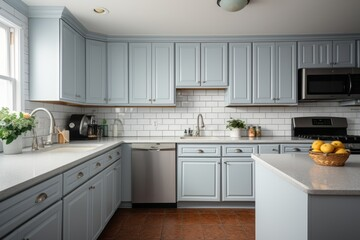
Cabinet Refinishing and Minimalist Kitchen Design

San Jose Cabinet Refinishing

Using minimalist cabinetry, homeowners can streamline their kitchens to create an open environment that appears calming and efficient. This article will explore cabinet refinishing trends that align with minimalist design and highlight how this style can elevate a kitchen remodel.

Flat-panel doors are an essential component of minimalist designs, offering a sleek appearance that minimizes the visibility of hardware. Handleless cabinets further contribute to this aesthetic by eliminating the need for traditional handles. Visit San Jose Cabinet Refinishing for more information.

Natural Wood and Veneers

Wood and natural elements are essential to many design styles, including minimalist design. While solid-wood cabinetry is often associated with traditional and rustic design, a minimalist approach to interior design can showcase the beauty of these materials in a modern way. For example, white oak veneer offers a beautiful, neutral color palette and distinctive grain pattern that complements minimalist designs. Additionally, a smoked veneer has an earthy aesthetic that adds warmth and texture to a space.

Rather than using solid wood, veneer cabinets feature a thin layer of real hardwood bonded to a core material like plywood or medium-density fiberboard (MDF). These durable materials have been used in residential and commercial construction for decades. This process allows manufacturers to create high-quality, beautiful cabinets at a fraction of the cost of solid wood.

Veneer is also more durable than solid wood and less susceptible to warping or cracking. This makes it an ideal choice for kitchen cabinets, which are subject to moisture and heat. A vapor barrier is also recommended to help keep moisture from damaging the veneer and interior of the cabinet.

The type of veneer you choose will also impact the look of your cabinets. An open pore veneer will have a low-shine finish that shows off the wood’s natural grain, while closed pore veneer has small holes filled in to make it shiny and glossy. You can also select a figured veneer, which features dramatic wood patterns, or a stained veneer that has been colored with water-based stain.

Other features to consider when selecting veneer are the grain direction and layup method. Grain direction refers to the way the natural grain of the wood runs. Horizontal grain offers a clean, linear appearance that is well-suited for minimalist design, while vertical grain creates a more traditional aesthetic. In addition, you can also select a veneer that is embossed or carved to add visual interest.

Other factors to consider when choosing a veneer are the color and finish, thickness, and species. Light stains and finishes are easier to maintain than dark colors, which require more frequent refinishing. Additionally, you can select a natural or prefinished veneer, which will be protected with a UV-protective coating that helps protect the surface from sun damage and keep it looking beautiful for longer.

Flat-Panel Doors

Minimalist cabinetry elevates the aesthetic of modern kitchens by eliminating visual clutter and integrating efficient storage solutions. Whether homeowners choose handleless designs or flat-panel doors, these cabinets can be integrated alongside neutral color palettes and high-quality materials to foster a calm environment that meets the needs of daily living. For instance, integrating hidden storage solutions like pull-out shelves and drawers beneath the sink can optimize space while providing easy access to cooking tools and supplies. Incorporating these features into minimalist cabinetry can also maximize the efficiency of a room, making it easier to clean and maintain.

For those seeking an even sleeker look, frameless flat-panel doors are available. These doors are designed without visible door frames for a seamless appearance that complements contemporary design. For added style, these doors can be finished in a matte finish that absorbs light rather than reflecting it, creating a soft and understated look. Alternatively, these doors can be finished in glossy options to provide additional contrast and interest.

Another benefit of flat panel doors is their ease of maintenance. Their smooth surfaces are less likely to collect dust and dirt than textured or carved door styles, and they can be cleaned quickly with a damp cloth. These doors are also often built with durable passage locks and concealed hinges to further enhance their durability and functionality.

If you’re looking to add a bit of visual interest, consider adding aluminum inserts into your flat-panel doors. These inserts can be arranged in horizontal or vertical configurations to create an eye-catching accent that complements both minimalist and transitional interior designs. Incorporate these accents into the center of the door or on either side to create a balanced look that is both contemporary and timeless.

As a result of their sleek aesthetic and efficient functionality, minimalist cabinetry is becoming increasingly popular for use throughout the home. In addition to the kitchen, these cabinets can be integrated into bedrooms, bathrooms, and home offices to create a cohesive and streamlined look. Minimalist bathroom cabinetry can also incorporate hidden storage solutions that maximize space and enhance the functionality of a room, while coordinating with other minimalist design elements like natural stone countertops and white-painted walls.

Handleless Cabinets

Minimalist kitchen cabinet ideas incorporate durable options that maximize storage and functionality while maintaining a sleek aesthetic. These designs often feature streamlined appearances that complement modern lighting fixtures and create a seamless integration between the kitchen and adjoining living areas. This approach addresses the needs of homeowners seeking beauty and efficiency in their home renovation projects.

Incorporating handleless cabinets into a minimalist design provides uninterrupted lines that align perfectly with monochrome color schemes and other contemporary aesthetics. They also work well with a variety of material options, including natural wood and veneers. Incorporating contrasting materials like a wooden countertop or a bold backsplash adds texture to the space while creating an attractive contrast with the sleek cabinetry.

A growing number of homeowners seek out environmentally friendly materials for their minimalist kitchen cabinetry projects. This trend is driven by a desire for a more sustainable environment, and many manufacturers now source their wood from responsibly managed forests. This is complemented by the use of low-VOC finishes that contribute to a healthy indoor air quality and enhance the minimalist aesthetic.

For minimalist kitchen cabinetry, a matte finish provides an elegant, understated aesthetic that works well with wood veneers and metal Gola profiles. Its smooth surface minimizes fingerprints, making it easy to maintain a clean and uncluttered appearance. Homeowners can enhance the look with a matte coating in soft neutrals, such as taupe and charcoal, or select glossy surfaces for a more vibrant aesthetic that coordinates with natural wood grain.

Another popular option for minimalist kitchen cabinets is a high-gloss finish, which accentuates the reflective surface of the cabinet fronts and reflects light to brighten the room. This finish is easy to keep clean and smudge-free, which makes it a great choice for busy households with active families. It also pairs well with a wide range of accent colors and finishes, including silver grays and blues, warm whites, and even greige, an up-and-coming blended shade that features the best of both neutrals.

True handleless cabinets rely on a recessed rail that runs along the edges of the cabinet doors and drawers. Retrofitting existing cabinetry into this style requires removing and cutting sections of the frame to install the rail, so it is typically not recommended for DIY remodels. Some manufacturers offer electric mechanisms that open the doors with a push, eliminating the need for hardware and enhancing the clean lines of minimalist kitchen cabinetry. However, these systems require specialized installation and complex electrical wiring.

Sustainable Materials

Minimalism embraces natural textures, and sustainable materials like wood, stone, and concrete align perfectly with this aesthetic. They feature neutral color palettes and a reduced environmental impact, balancing beauty with sustainability. Plus, they offer a seamless blend of form and function—an ideal solution for homeowners seeking an uncluttered, streamlined living space.

Lighter options like ash or birch add an airy feel to minimalist spaces, while richer hues like mahogany create a sophisticated vibe. Wood’s inherent versatility means it can stand alone or harmonize seamlessly with other elements in your home, such as a fireplace or hardwood floors.

For homeowners who wish to personalize their minimalist kitchens, incorporating open shelving allows them to showcase cherished dishware and decorative items without compromising the clean design. Similarly, integrating hidden storage solutions maximizes space while maintaining a clutter-free environment. This approach also encourages thoughtful organization, ensuring that every item displayed complements the overall aesthetic.

Many of these storage solutions are made from recycled materials, reducing the need for raw materials and minimizing waste. Others are made from repurposed glass, which requires less energy to produce than new glass and retains its strength and quality. In addition, some materials are harvested using eco-friendly methods that minimize the impact on ecosystems and reduce energy consumption.

Another important aspect of sustainability is the longevity of products. Sustainable materials like high-quality wood and stone are designed to last, minimizing the need for replacements over time. By contrast, lower-quality items may break or wear out quickly, creating a “throwaway culture” that contributes to unnecessary waste.

When shopping for cabinetry and other furniture, look for low-VOC finishes that eliminate harmful chemicals from your home’s air. This will protect your health and help preserve the integrity of your living spaces. Other sustainable choices include reusable fabrics like linen and cotton, which require minimal upkeep and are biodegradable. Finally, marble countertops are another popular choice that offer luxurious style and durability, as long as they are properly sealed to prevent scratches and acid damage.


The Essential Guide to Professional Roof Cleaning

Roof Cleaning enhances the lifespan and appearance of any structure. Dirt, moss, and debris accumulate over time, affecting both aesthetics and functionality. Regular cleaning prevents costly repairs and structural damage. Professional services provide safety and efficiency.

Roof Cleaning

Choosing the right cleaning method is vital. Soft washing and pressure washing serve different purposes. Soft washing removes algae and moss without damaging shingles. Pressure washing tackles stubborn dirt and stains but requires careful handling.

Roof materials dictate cleaning approaches. Shingles, tiles, metal, and slate respond differently to water and chemicals. Professionals assess material type before applying solutions. Proper care prevents cracks, erosion, and discoloration.

Moss and algae growth can compromise roof integrity. Moisture retention weakens shingles and promotes rot. Removal restores functionality and prevents leaks. Specialized treatments inhibit future growth.

Debris like leaves, twigs, and dirt blocks drainage systems. Clogged gutters lead to water accumulation and damage. Roof cleaning ensures proper water flow. Timely clearing prevents structural issues.

Seasonal maintenance improves roof performance. Spring and fall are ideal for thorough inspections and cleaning. Seasonal checks identify damage early. Regular upkeep extends roof lifespan.

Chemical treatments target stubborn stains and biological growth. Eco-friendly solutions remove algae without harming plants or wildlife. Professionals select formulas based on surface type. Safe application maintains environmental balance.

Lichen and mold can develop on shaded areas. Persistent growth erodes surfaces over time. Specialized brushes and cleaning agents remove buildup safely. Preventive treatments stop recurrence.

Roof cleaning involves safety protocols. Heights and slopes pose risks to inexperienced individuals. Professional teams use harnesses, scaffolding, and ladders. Proper safety reduces accidents and liability.

Metal roofs require gentle cleaning techniques. Abrasive methods can scratch or remove protective coatings. Soft washes or mild detergents preserve integrity. Maintenance extends durability and appearance.

Tile roofs are prone to algae and moss accumulation. High-pressure washing can crack or dislodge tiles. Soft cleaning or chemical treatments work best. Proper handling preserves roofing structure.

Shingle cleaning protects the granule layer. Overly aggressive washing can strip granules, reducing lifespan. Professionals use controlled water pressure and approved chemicals. Preservation maintains weather resistance.

Roof inspections often accompany cleaning. Contractors check for leaks, damaged shingles, or loose tiles. Early detection prevents costly repairs. Combined inspection and cleaning improve overall maintenance efficiency.

Gutter cleaning complements roof maintenance. Proper drainage prevents water pooling and erosion. Professionals remove debris and flush systems thoroughly. Functional gutters protect walls, foundation, and landscaping.

Roof moss can trap moisture and accelerate decay. Treatments neutralize spores and prevent regrowth. Removing moss safeguards structural integrity. Regular application ensures long-term results.

Safety harnesses and fall protection are mandatory. Slippery surfaces increase risk during cleaning. Teams employ anchor points and stable platforms. Training ensures that procedures follow industry safety standards.

Soft washing is ideal for delicate surfaces. Low-pressure water mixed with safe detergents removes buildup gently. This prevents structural damage and preserves aesthetic appeal. Professionals calibrate pressure according to material.

Water conservation is an important consideration. Efficient cleaning minimizes water usage. Some techniques recycle runoff or use low-flow equipment. Eco-conscious practices reduce environmental impact.

Cleaning chemicals must be chosen carefully. Strong acids or bleach can damage shingles and harm surrounding vegetation. Environmentally friendly alternatives provide effective results safely. Proper dilution ensures protection.

Stains from pollution or bird droppings require specialized cleaning. Alkaline-based solutions remove mineral deposits without corrosion. Targeted cleaning prevents permanent discoloration. Professionals assess stain type before treatment.

Roof cleaning also protects insulation. Mold and water infiltration degrade insulation efficiency. Regular maintenance maintains energy efficiency and comfort. Inspections identify potential weak spots early.

High-rise buildings pose additional challenges. Scaffolding, lifts, and harnesses ensure safe access. Cleaning teams coordinate logistics and safety for taller structures. Specialized equipment reduces risks and improves results.

Weather conditions influence roof cleaning schedules. Rain, wind, or extreme heat may delay work. Professionals plan around weather to ensure safety and effectiveness. Dry, mild conditions optimize cleaning outcomes.

Algae-resistant coatings extend the benefits of cleaning. Protective layers reduce biological growth and staining. Application after cleaning maximizes longevity. Coatings reduce the frequency of future maintenance.

Debris removal prevents pest infestations. Leaves and organic matter attract insects and rodents. Cleaning eliminates nesting materials and breeding grounds. Roof hygiene supports overall property health.

Pressure washing requires careful calibration. Excessive pressure damages shingles and tiles. Professionals adjust equipment to match surface type. Controlled pressure ensures thorough cleaning without harm.

Cleaning historic or decorative roofs demands expertise. Ornamental features or aged materials are fragile. Custom approaches preserve architectural value. Experienced teams maintain both safety and aesthetics.

Soft brushes and low-pressure sprays target sensitive areas. This prevents scratches and water penetration. Careful manipulation ensures even cleaning. Detail-oriented methods improve finish quality.

Roof maintenance enhances curb appeal. Clean, well-maintained roofs improve property value. Professionals remove discoloration, stains, and buildup. Appearance and function go hand in hand.

Integrated maintenance plans improve roof longevity. Scheduling regular inspections and cleaning avoids deterioration. Preventive measures reduce emergency repairs. Professional plans are tailored to roof type and climate.

Roof cleaning also prepares surfaces for repairs or coating. A clean roof allows adhesives, sealants, and paints to bond properly. Surface preparation ensures successful long-term treatment. Contractors verify readiness before application.

Eco-friendly practices include biodegradable detergents and controlled runoff management. These approaches protect gardens, soil, and local wildlife. Sustainable cleaning aligns with modern environmental standards. Professional teams implement best practices.

Debris management prevents clogging of surrounding drainage systems. Leaves, twigs, and dirt are collected and disposed of properly. Clean surroundings enhance safety and aesthetics. Coordinated efforts maintain property hygiene.

Cleaning metal gutters and flashing is part of roof maintenance. Blockages or corrosion can compromise roofing systems. Professionals inspect and repair critical components. Proper upkeep avoids leaks and structural damage.

Regular cleaning extends roof lifespan by preventing decay. Accumulated moss, algae, and debris accelerate wear. Preventive treatments reduce water damage and rot. Contractors apply techniques suited to material and environment.

Safety planning includes harnesses, rope systems, and personal protective equipment. Teams are trained to handle slopes and slippery surfaces. Professional protocols minimize accidents. Safety is a priority in every operation.

Roof cleaning contributes to energy efficiency. Algae and moss retain moisture, affecting insulation. Clean surfaces reflect sunlight and maintain thermal balance. Maintenance supports lower energy costs.

Post-cleaning inspections ensure effectiveness. Professionals check for missed areas, damaged shingles, or loose tiles. Corrective measures are applied immediately. Inspections validate the quality of work.

Preventive care reduces long-term repair costs. Regular cleaning identifies minor issues before they escalate. Early intervention saves time and money. Property owners benefit from proactive maintenance strategies.

Cleaning solutions often include anti-fungal and anti-algae agents. These prolong the effects of the cleaning process. Treatments minimize discoloration and structural damage. Professionals recommend periodic reapplication for best results.

Roofs with complex designs require specialized techniques. Multiple slopes, valleys, and dormers create cleaning challenges. Teams use flexible equipment to access tight spots. Proper execution maintains both safety and thoroughness.

Roof cleaning services combine technology, expertise, and safety. Every project involves inspection, debris removal, biological treatment, and finishing. Professional care extends lifespan, improves aesthetics, and protects structural integrity. Clean roofs contribute to a safe and visually appealing property.

Effective Ways to Improve Business Operations and Efficiency

In today’s competitive marketplace, businesses must constantly seek ways to improve operations and increase efficiency. Whether you’re managing a small company or leading a large organization, optimizing how your business functions can lead to better customer satisfaction, increased profits, and long-term sustainability. Streamlined operations not only reduce waste and overhead but also enhance productivity and employee morale.

Here are some of the most effective strategies for improving business operations and boosting overall efficiency.

business

Analyze and Refine Existing Processes

Before implementing new strategies, it’s important to understand how current operations function. Mapping out workflows—whether in production, service delivery, or customer support—can help identify bottlenecks, redundancies, or areas of unnecessary complexity.

Regularly review and assess your internal processes to determine which steps are essential, which can be automated, and which can be eliminated. A leaner workflow reduces errors, saves time, and ensures that resources are used wisely.

Set Clear Goals and Performance Metrics

Improving efficiency starts with setting specific, measurable goals. Without clear objectives, it becomes difficult to track progress or determine success.

Establish key performance indicators (KPIs) for departments, teams, and individual roles. These metrics allow you to measure output, monitor efficiency, and identify underperforming areas that need attention. Goals should be realistic, time-bound, and aligned with the broader business strategy.

Automate Repetitive Tasks

Repetitive and manual tasks consume valuable time and increase the risk of human error. Automating these processes—such as inventory tracking, payroll processing, data entry, and customer communication—can greatly improve speed and accuracy.

Automation tools also free up employees to focus on more strategic and creative responsibilities, boosting overall productivity and job satisfaction.

Improve Communication and Collaboration

Miscommunication and lack of coordination are common causes of operational inefficiencies. Ensuring that all employees are on the same page—especially in fast-paced or remote environments—is essential.

Encourage the use of streamlined communication platforms and regular team check-ins. Clear channels for feedback, issue resolution, and collaboration improve workflow and foster a more connected workplace.

Invest in Employee Training and Development

Employees are the backbone of any business operation. When they’re well-trained and equipped with the latest skills, they’re more efficient and adaptable to change.

Offer regular training programs to keep staff updated on tools, techniques, and industry best practices. Cross-training employees can also provide operational flexibility and reduce disruptions when someone is absent or transitions to a new role.

Leverage Data for Smarter Decisions

Modern businesses generate large amounts of data—from sales and customer interactions to supply chain performance. Using this data effectively can reveal patterns, forecast demand, and support informed decision-making.

Adopt data analytics tools to monitor trends, identify inefficiencies, and evaluate the success of new initiatives. When decisions are grounded in accurate data, businesses are better positioned to act quickly and strategically.

Focus on Customer Experience

Streamlined operations should ultimately lead to a better customer experience. Efficient service delivery, clear communication, and quick response times all contribute to higher satisfaction and loyalty.

Solicit customer feedback to identify pain points or areas for improvement. Often, enhancing internal efficiency—like shortening wait times or simplifying the returns process—directly improves how customers perceive your business.

Outsource Non-Core Functions

Trying to handle every aspect of your business in-house can lead to unnecessary complexity and resource strain. Outsourcing certain non-core functions—such as accounting, IT support, or logistics—can help improve efficiency and allow your team to focus on core business areas.

Partnering with experts ensures higher quality results and can reduce long-term costs associated with inefficiency or lack of specialization.

Standardize Operating Procedures

Consistency is key to efficient operations. Creating and enforcing standardized operating procedures (SOPs) for recurring tasks ensures that everyone follows the same steps and maintains quality across the board.

SOPs also reduce training time for new hires and make it easier to identify and address issues when performance lags.

Continuously Monitor and Adapt

Improving operations is not a one-time effort. It requires continuous monitoring and a willingness to adapt to new challenges, technologies, and market demands.

Encourage a culture of continuous improvement by empowering employees to suggest changes, report inefficiencies, and participate in solution development. Periodic reviews and process audits can also keep your operations aligned with current business goals.

Operational efficiency is a key driver of business success. By analyzing existing workflows, embracing automation, investing in people, and using data-driven strategies, businesses can improve their day-to-day performance and long-term viability.

The journey to greater efficiency doesn’t always require massive changes. Often, small, consistent improvements—guided by clear goals and supported by engaged employees—can deliver powerful results. When operations run smoothly, the entire organization benefits, from the front line to the customer experience and the bottom line.

Whether you’re just starting to optimize or are fine-tuning an already efficient system, staying focused on improvement will help your business grow stronger, smarter, and more resilient in the face of change.